4 ways to make a fire
Fuel Types 101: Wood, Gas, Electric & Pellet
How each fuel heats, looks, and lives with you, and the fireplaces, stoves, and inserts that burn it.
- 5 Stars on Google
- 5-Year Warranty
- In-Home Visits
- Since 1989
Start with how you'll use it
How to Choose a Fuel
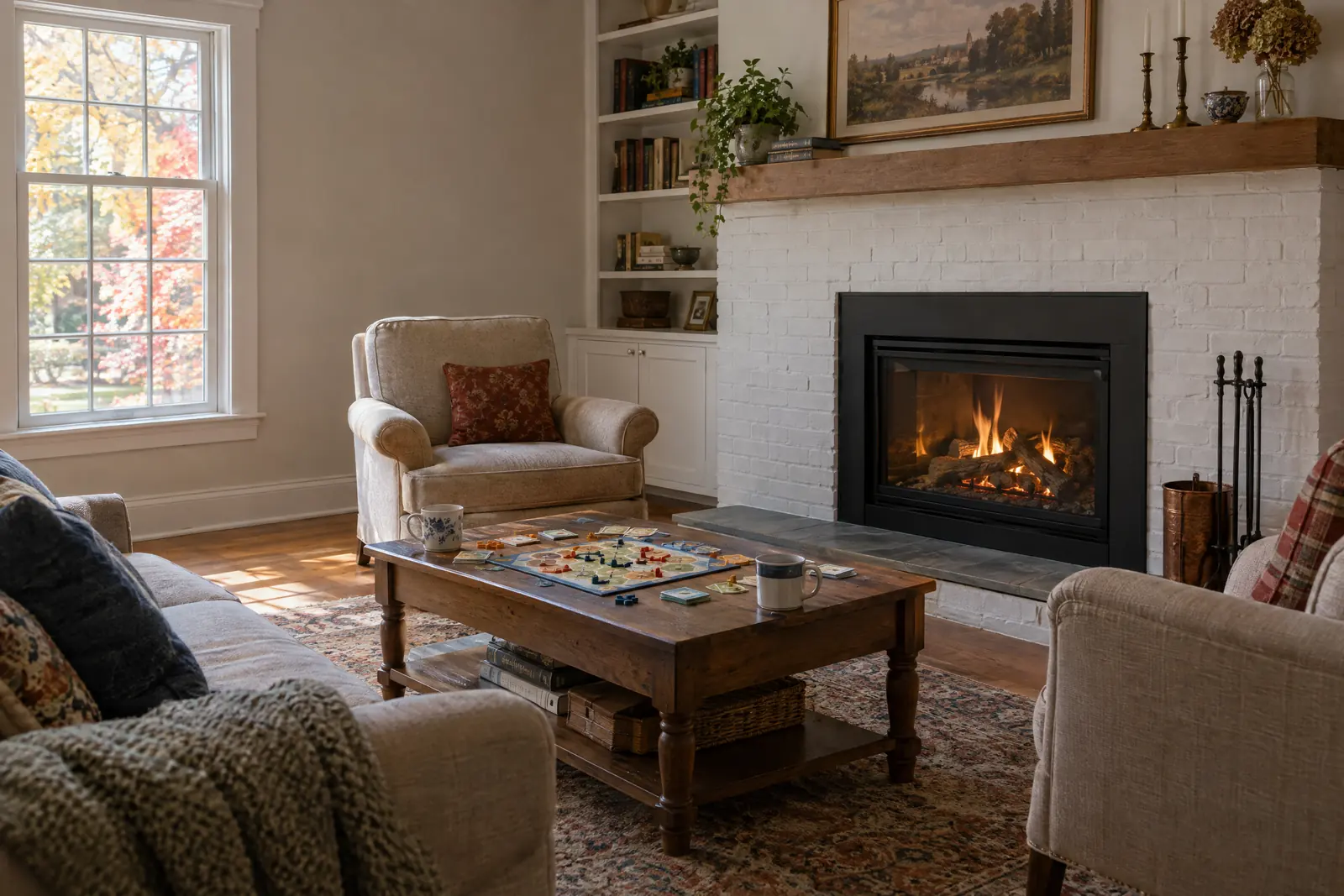
We make it easy to discover the ideal fireplace or stove that suits your family’s needs, and the fuel is the first choice. If you want the fire on with a switch, look at gas or electric. If you want to build it yourself and hear it crackle, look at wood. If you want wood heat that tends itself, look at pellet.
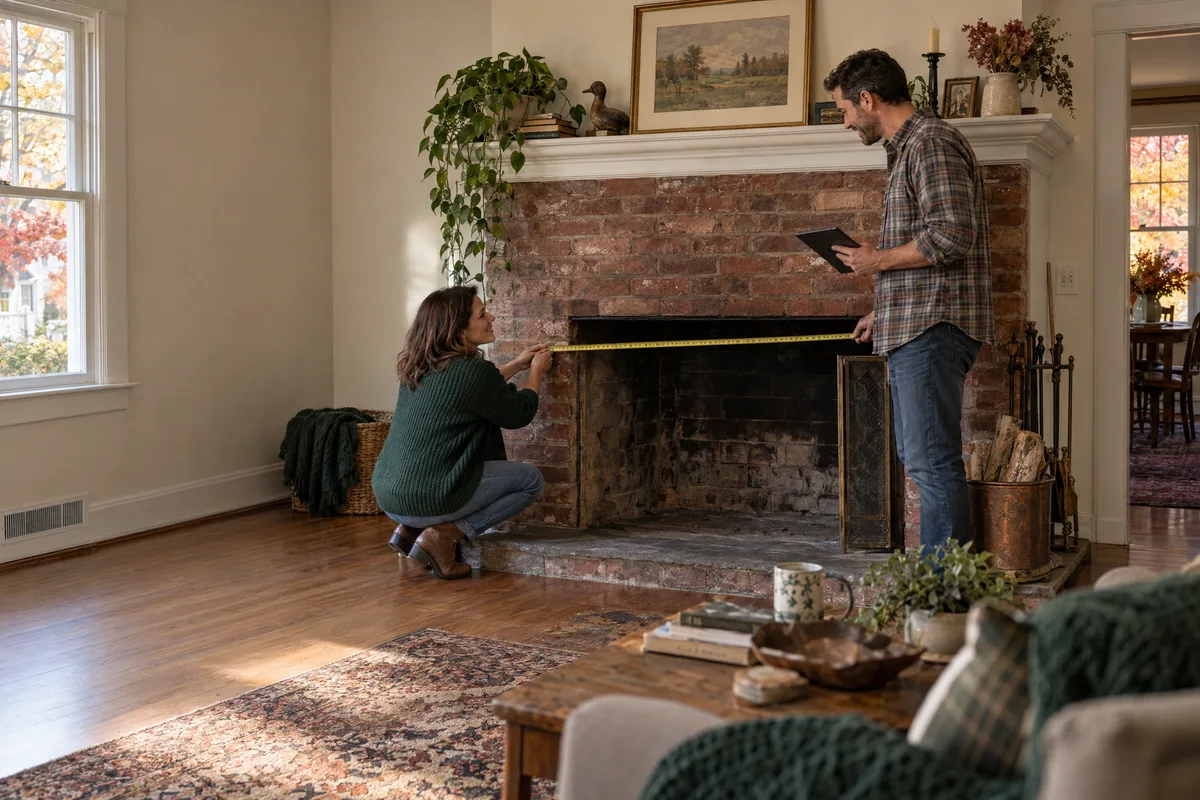
Then look at the room. A fireplace you already have can take an insert or a log set. A blank wall can take a gas or an electric fireplace. A corner can take a stove. The in-home visit confirms what the room can hold.
Pick a fuel
4 Fuels to Choose From
Wood
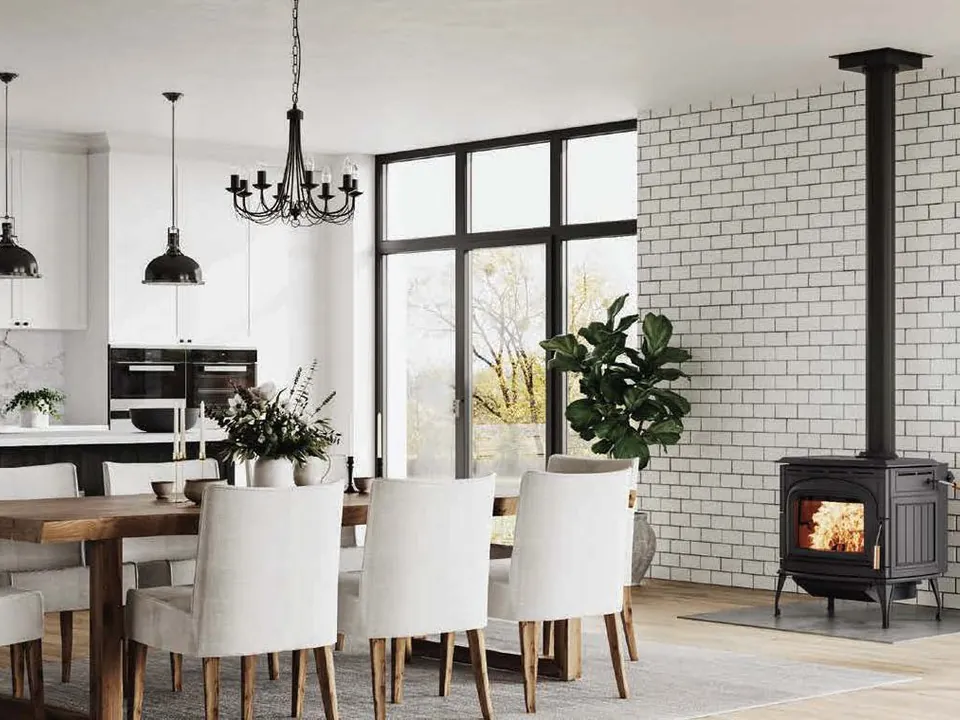
Wood-burning stoves and fireplaces offer a warm and traditional ambiance while providing an efficient and cost-effective heating solution, utilizing renewable resources to reduce energy bills and environmental impact.
Learn More About Wood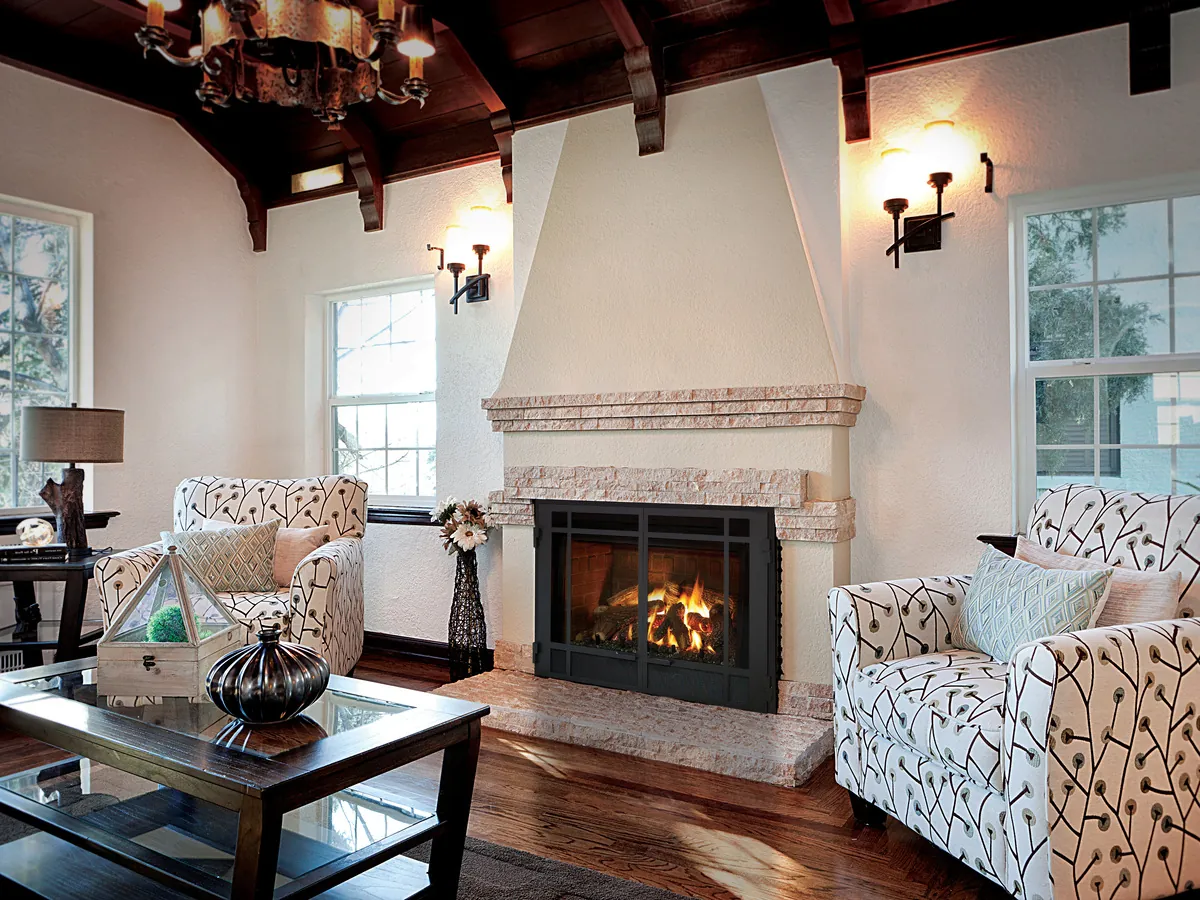
Gas
When temperatures drop, Hometown Hearth’s gas fireplaces offer a cozy and stylish addition to your home, providing the warmth and ambiance of a fire with superior functionality and energy savings over traditional fireplaces and wood-burning stoves.
Learn More About Gas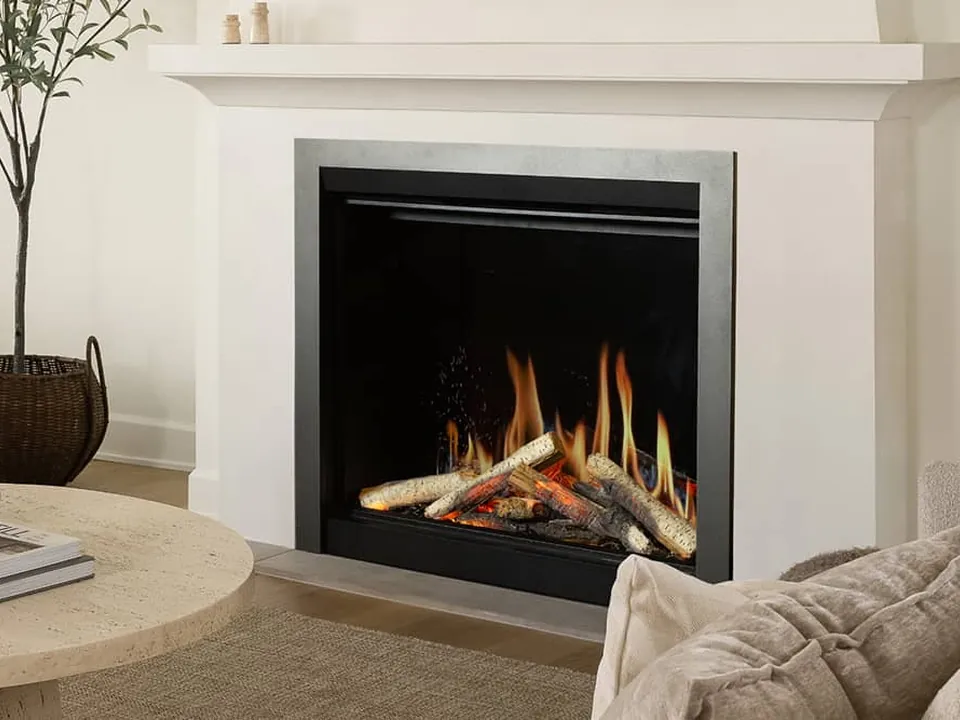
Electric
Electric fireplaces are a popular choice for their realistic flame effects, versatile designs, easy installation, and efficient, smoke-free heating, making them a practical and stylish option for any space.
Learn More About Electric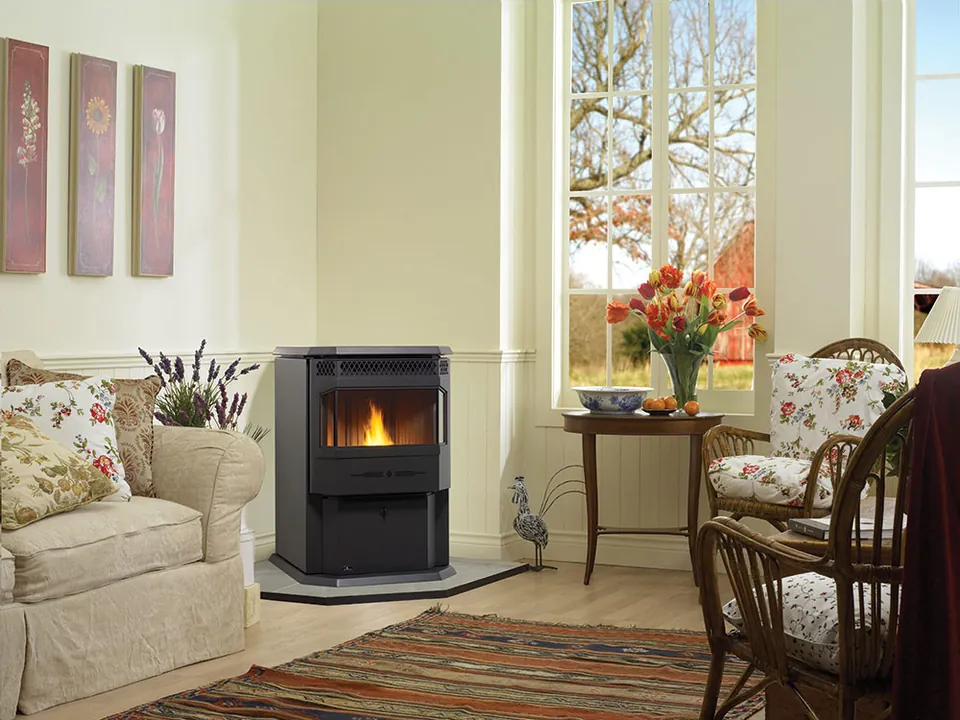
Pellet
For additional warmth and a stunning fire in winter, consider a pellet fireplace, which uses wood pellets instead of traditional fuels, offering a cleaner, more manageable heating solution with many advantages highlighted by Hometown Hearth.
Learn More About PelletRated
Outstanding
4.8
700+ Google reviews
-
Great service. Love all the techs. Respectful, thorough, and always clean up.
-
Corey was clean and proficient.
-
Great job, highly recommend!
What the neighbors say
“We recently had our fireplace inspected by Pete. It was an outstanding experience from start to finish. Pete's professionalism and expertise truly shone through during the entire process.”
4.8 stars across 700+ Google reviews, Hometown Hearth and Chimney Cricket combined.
Good to know
Common Questions About Fuel Types
The ones we hear most. Yours isn't here? Call or stop by the showroom.
Which is right for the room: a fireplace, an insert, or a stove?
A fireplace builds into a wall. An insert fits into the fireplace the house already has, whether masonry (built on site from brick or stone) or prefabricated (a factory-built metal firebox). A stove stands on its own. Pick your situation on the estimate hub and it narrows to what fits.
Can you see the fireplace in your own room first?
Yes. Upload a photo of the room and the WhyFire Visualizer shows the fireplace in the space.
Does a new fireplace need a chimney?
It depends on the fuel. A direct-vent gas fireplace vents through an outside wall or the roof. A wood fireplace or stove needs a chimney. An electric fireplace needs no venting at all. The in-home visit confirms what the room needs.
Can a gas fireplace go on a wall with no chimney?
Yes. A direct-vent gas fireplace vents through an outside wall or up through the roof, so it doesn't need a masonry chimney.
Does a wood stove work when the power is out?
Yes. A wood fire heats with no electricity.
How does a pellet stove or insert work?
A pellet stove or insert burns compressed wood pellets. You fill the hopper and set the heat, and the unit feeds the fire. It needs electricity and a vent to the outside.
Let's Get Started
Every Family Should Have a Hearth That Makes Their House Feel Like Home
Create a cozy space for your loved ones to gather, keep your family warm all year, save money on your monthly utility bills, and transform your house into a beautiful home.